
Beef in School Foodservice
Check out our school foodservice resources and see just why beef belongs on your plate and the cafeteria tray!
Fueling Healthy Minds and Bodies at School
School meals can play an influential role in a child's development of a healthy eating pattern. For some, school meals can provide two thirds or more of their daily caloric intake.
As a nutrient-dense, high-quality lean protein, beef is a flavorful food which can be a foundational part of dietary patterns and healthful school meals. Providing high quality protein, zinc, iron, choline, phosphorus and B vitamins including B6 and B12, beef makes a perfect complement for other healthy foods on the plate like vegetables, fruits, whole grains and dairy -- which all provide their own unique mix of nutrients like vitamin C, folate, calcium, potassium and dietary fiber.
School Foodservice Resources

Beef training resources
Visit the Beef. It's What's For Dinner. website's training opportunities to get up to speed on all things beef.
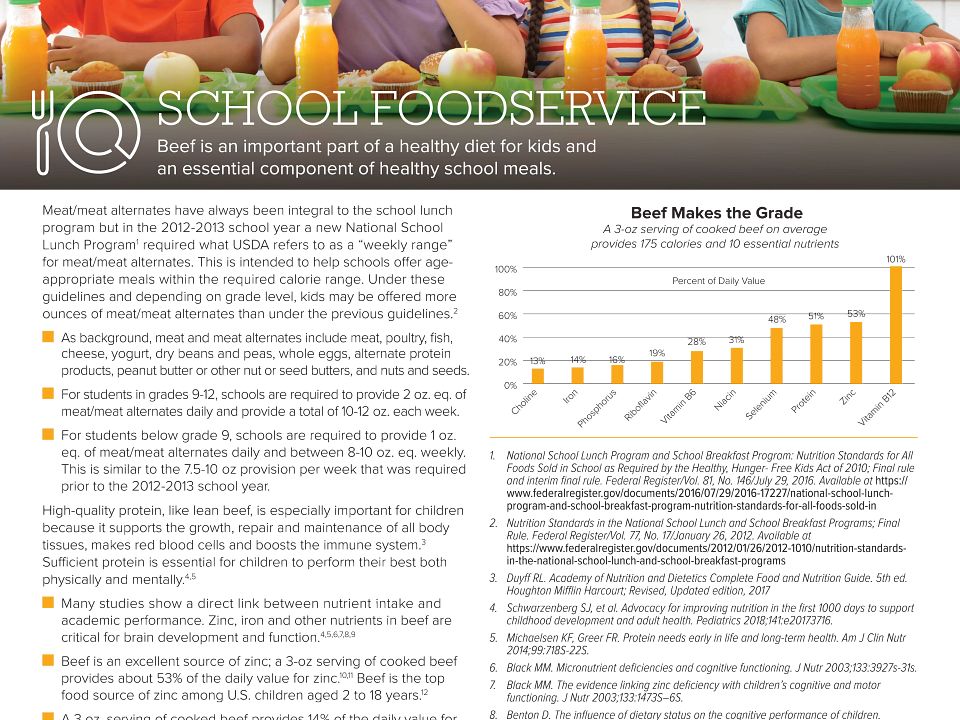
Beef in school foodservice
Beef continues to be an important part of a healthy diet for kids and essential component of healthy school meals.

Beef resource guide for K-12 school foodservice
The School Foodservice Beef Resource Guide aids school foodservice professionals in understanding the significance of incorporating beef in menus and utilizing locally sourced options.
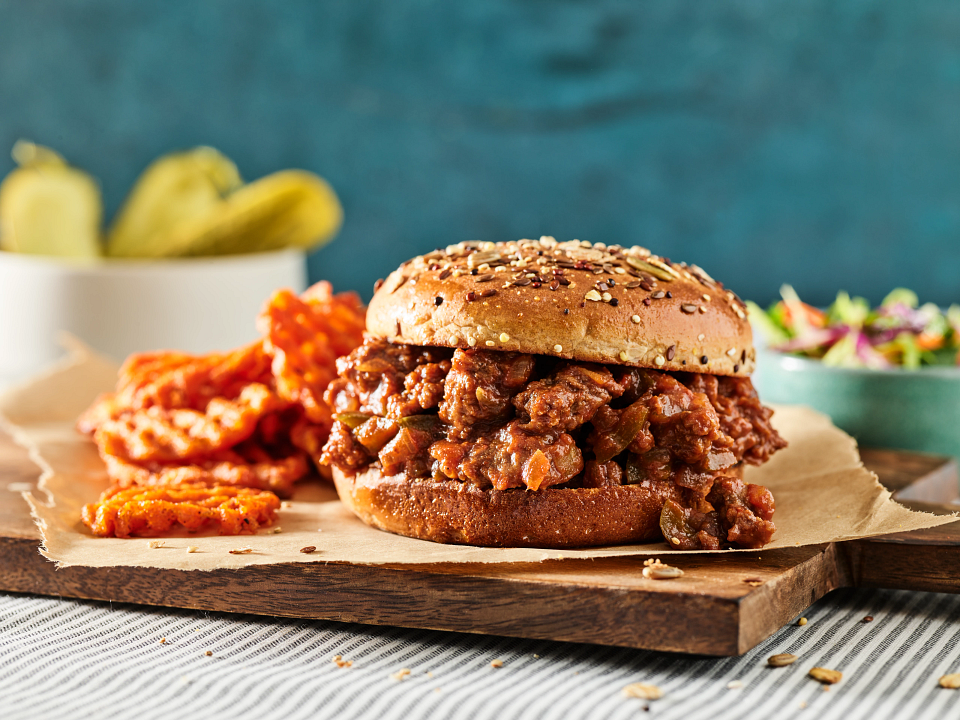
Best. School. Lunch. EVER!
It's back-to-school time! Use these simple, nutritious, tasty recipes to make sure your kids bring their favorites to school every day.

Beef's importance for tweens and teens
Nutrition is important throughout life, and it’s essential to build a strong foundation of diet variety, nutrient density, and healthy habits during childhood and adolescence.